Crafting Timeless Stories with Vintage Daisy Floral Junk Journal Pages
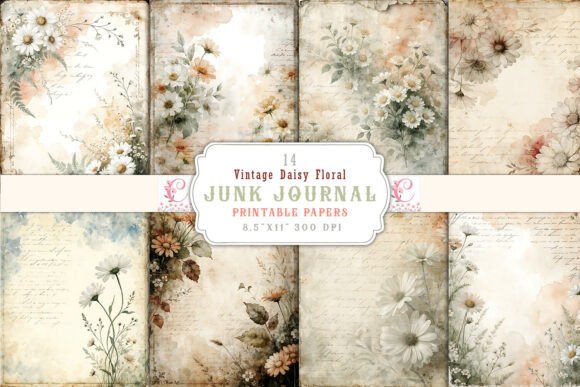
There's a distinct, almost magnetic pull to the imperfect, the layered, and the authentically aged. In a digital landscape often dominated by slick, uniform graphics, the Vintage Daisy Floral Junk Journal Pages offer a breath of artisanal air. This collection isn't just a set of backgrounds; it's a toolkit for building narrative depth and tangible warmth into any creative project. The visual personality here is one of gentle nostalgia. Think soft, slightly muted daisy motifs intertwined with subtle paper textures, faint script overlays, and the gentle patina of time. The style leans into a handmade, ephemera aesthetic, where every page feels like it has a history, inviting you to add your own chapter.
The Visual Language of Nostalgia and Nature
What makes these pages so effective is their balance. The daisy florals are prominent but not overpowering, rendered in a way that feels botanically inspired rather than cartoonish. This makes them versatile for both feminine and gender-neutral designs, depending on the accompanying elements. The "vintage" aspect is handled with care—it's not a heavy, sepia-toned filter, but rather a nuanced collection of subtle stains, soft creases, and delicate ink bleeds that mimic the look of well-loved paper. This authentic texture provides an instant visual hierarchy and a sense of depth that flat, digital backgrounds often lack. The overall appeal is to those who value craft, storytelling, and a touch of romantic realism in their designs.
Practical Applications Beyond the Journal
While the name suggests a specific use, the utility of the Vintage Daisy Floral Junk Journal Pages extends far into professional and commercial realms. For brand identity work, especially for businesses in the wedding, boutique, artisanal food, or wellness spaces, these pages can serve as the foundational texture for logo design presentations, mood boards, or packaging mockups. They inject immediate character and a story-driven quality. In editorial design, they are perfect for chapter dividers, pull quotes, or full-bleed backgrounds in digital magazines and lookbooks, adding a tactile quality to the reading experience. As design assets, their high-resolution (300 DPI) and standard 8.5x11 inch dimensions make them ready for both digital screens and print projects like booklets, zines, or artist portfolios.
Integrating Texture into Your Creative Workflow
Using these pages effectively is about strategic layering. They are not meant to be the loud centerpiece but the rich, supporting backdrop that makes other elements pop. For social media graphics, try layering a semi-transparent white shape over a daisy page to create a clean area for text, allowing the floral texture to frame the message beautifully. In mixed media and collage, they act as the perfect "found paper" layer, providing cohesion to disparate elements. For web design, consider using them as subtle, tiled backgrounds for sidebars or footer sections, or as hero images for a vintage-themed blog. The key is to use them where you want to evoke a feeling of authenticity, comfort, and curated detail.
Aligning Aesthetic with Audience Expectations
Choosing to use a resource like the Vintage Daisy Floral Junk Journal Pages is a deliberate stylistic choice that communicates specific values. It signals an appreciation for slow design, individuality, and a connection to the past. This can profoundly influence brand perception. A small business using these textures in its marketing materials is instantly perceived as more approachable, thoughtful, and quality-focused than one using generic, corporate templates. It fosters audience engagement because the texture feels personal and crafted, inviting the viewer to look closer. For content creators and bloggers, it helps build a recognizable, consistent aesthetic that becomes part of their unique voice.
Making the Most of Your Digital Toolkit
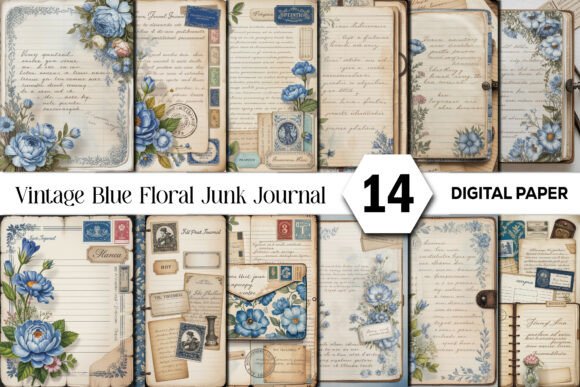
As this is a digital download, efficiency is part of the package. The 14 high-resolution JPG files provide a solid variety, reducing the need for repetitive backgrounds across a single project. When evaluating fit, consider your project's color palette—the soft, natural tones of the daisies pair exceptionally well with muted earth tones, creams, and soft pastels. For font pairing, these backgrounds work best with clean, readable sans serif fonts for body text to ensure legibility, and can be beautifully complemented by elegant script fonts or handwritten fonts for headings to enhance the personal, artisanal feel. Always remember to check the licensing for your intended use, especially for commercial projects, to ensure the assets are used appropriately within your creative rights.
Ultimately, the Vintage Daisy Floral Junk Journal Pages are more than just pretty papers. They are versatile design assets that provide a shortcut to creating layered, emotionally resonant work. They solve the common problem of flat digital design by offering a pre-built foundation of texture and history, allowing you to focus on composition and message. Whether you're crafting a personal memory book, designing a brand's visual identity, or producing eye-catching digital content, these pages offer a practical and beautiful way to infuse your projects with timeless, floral charm.