Vintage Burnt Paper Junk Journal Pages: A Designer's Guide
There’s a certain magic to objects that carry the marks of time. A leather-bound book with a cracked spine, a letter with water-stained edges, a photograph that’s yellowed with age. These artifacts tell a story before you even read the words. For digital creators and crafters, capturing that authentic, tangible feel can be a challenge. This is where a resource like Vintage Burnt Paper Junk Journal Pages steps in, offering a collection of digital backgrounds designed to bridge the gap between the digital workspace and the tactile world of vintage ephemera.
Understanding the Aesthetic: More Than Just a Texture
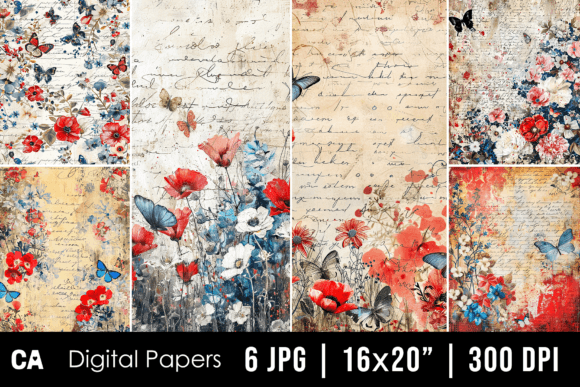
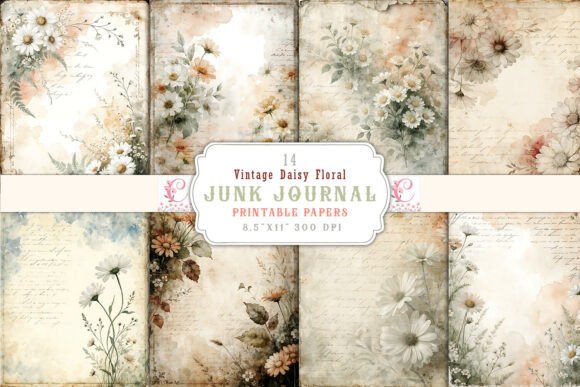
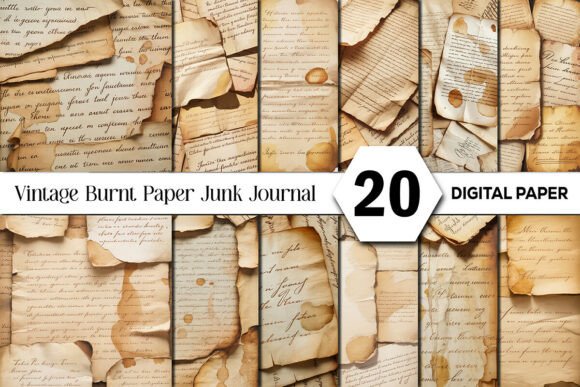
At its core, this collection provides 20 printable digital backgrounds, each sized at 12x12 inches (3600x3600 pixels) and delivered as high-resolution 300 DPI JPGs. But the technical specs only tell part of the story. The true value lies in the visual personality crafted into each sheet. We're talking about authentic aged paper textures that go beyond a simple beige filter. Imagine backgrounds where the edges are realistically burnt and curled, where coffee and tea stains bloom in organic patterns, and where the underlying paper grain feels coarse and fibrous under a hypothetical fingertip. Layered onto this are fragments of handwritten script, faded and sometimes illegible, adding a layer of mysterious narrative.
This isn't a clean, polished digital asset. It’s a design asset with a distinct personality—weathered, nostalgic, and deeply human. The appeal is in its imperfections. For a designer, these pages function much like a creative font with strong character; they immediately set a tone. The burnt edges suggest urgency or importance, the stains hint at a history of use, and the script evokes personal correspondence. This combination makes them incredibly versatile for projects that aim for warmth, history, or a handmade quality.
Practical Applications: Where These Pages Shine
Knowing what an asset is and knowing how to use it effectively are two different things. Let’s explore the real-world scenarios where these vintage backgrounds can elevate your work.
For the Junk Journaler and Crafter: This is the most direct application. As junk journal pages, they provide an instant foundation. Print them out on quality cardstock, and you have a ready-made page to embellish with photos, ticket stubs, and other memorabilia. They eliminate the time-consuming process of manually aging paper with tea bags and heat tools. For vintage scrapbooking, they serve as perfect background layers, complementing sepia-toned photos and antique-style embellishments.
For Digital Designers and Marketers: Think beyond print. These textures are powerful in digital spaces. Use them as backgrounds for social media graphics to stand out in a sea of sleek, minimalist feeds. A post featuring a product or quote against a burnt paper backdrop instantly feels more curated and story-driven. They’re excellent for website banners, email headers, or landing page sections where you want to evoke a sense of tradition or craftsmanship. In packaging design, especially for artisanal goods like coffee, tea, or handcrafted products, incorporating these textures can reinforce a brand’s story of authenticity.
For Publishers and Content Creators: Authors and bloggers can use these as backgrounds for chapter title pages, promotional graphics, or even as a subtle texture overlay on their website. For a brand identity centered around history, storytelling, or vintage charm, these pages can inform the entire visual language. They can be used in mood boards, as part of a brand’s texture library, or to create unique editorial design elements for digital magazines or lookbooks.
Working with the Asset: Tips for Integration
Simply dropping a vintage background into your project isn’t enough. Thoughtful integration is key to achieving a professional result.
Evaluate the Project Fit: These pages have a strong voice. They are ideal for projects related to history, romance, mystery, handmade goods, or personal narrative. They might clash with ultra-modern, tech-focused, or corporate branding unless used in a very specific, contrasting way. Always ask: does this texture support the story I’m trying to tell?
Master the Art of Layering: The real magic happens when you treat these as a base layer. In your design software, experiment with blend modes like Multiply, Soft Light, or Overlay to merge text and other graphics seamlessly with the paper’s texture. Don’t just place text on top; let it interact with the stains and creases. Adjusting the opacity of the background can also help it recede, making foreground elements more legible.
Font Pairing is Crucial: This is where your choice of typeface makes or breaks the design. Pairing these organic, textured backgrounds with a stiff, generic sans serif will create dissonance. Instead, lean into the aesthetic. A elegant serif font can add a touch of classic sophistication. A delicate script font or a convincing handwritten font can amplify the personal, journal-like feel. For contrast and readability, a clean, modern sans serif can work well for body text, provided the background isn’t too busy. Think of it as a font pairing exercise where the texture is your first, most expressive “font.”
Consider Readability and Hierarchy: The inherent noise in these textures means you need to be extra mindful of readability. Ensure there is enough contrast between your text and the background. Use larger, bolder fonts for headlines to ensure they punch through the visual texture. For longer blocks of copy, consider placing them on a slightly more opaque or less patterned area of the background, or use a semi-transparent shape behind the text to create a clean zone.
Leverage the Commercial License: The fact that these are commercial use friendly is a significant advantage. This means you can confidently use them in client projects, products for sale, and commercial marketing materials. Always double-check the specific license terms, but generally, this flexibility allows you to incorporate these high-quality design assets into a wide range of professional work, adding significant value to your toolkit as a premium font or texture resource would.
In the end, Vintage Burnt Paper Junk Journal Pages are more than just downloadable files. They are a bridge to a different time, a tool for adding depth and narrative to your projects, and a way to connect with an audience that appreciates the beauty of the imperfect and the time-worn. Whether you’re building a brand, telling a story, or crafting a personal keepsake, they offer a foundation of authenticity that’s hard to replicate from scratch.